
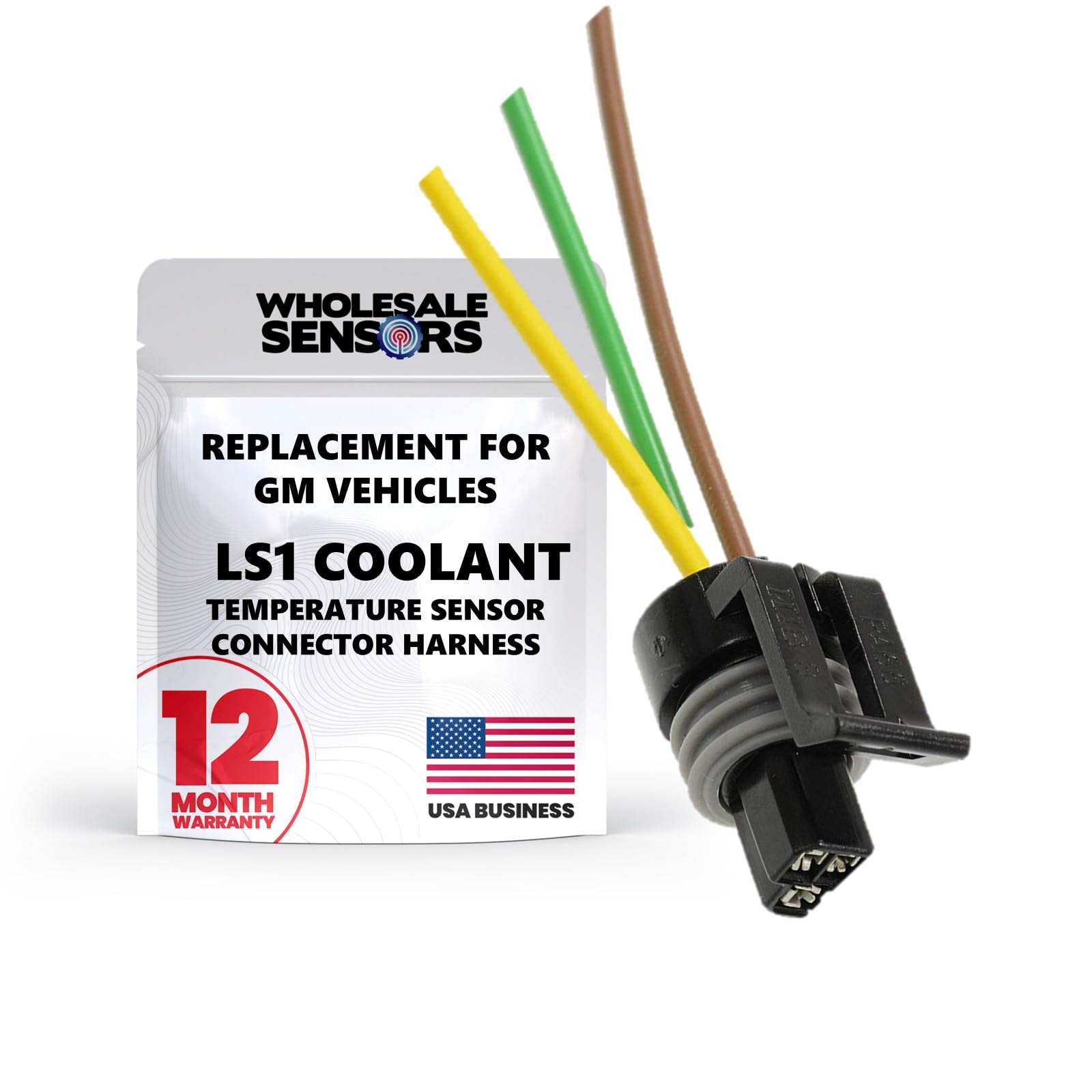
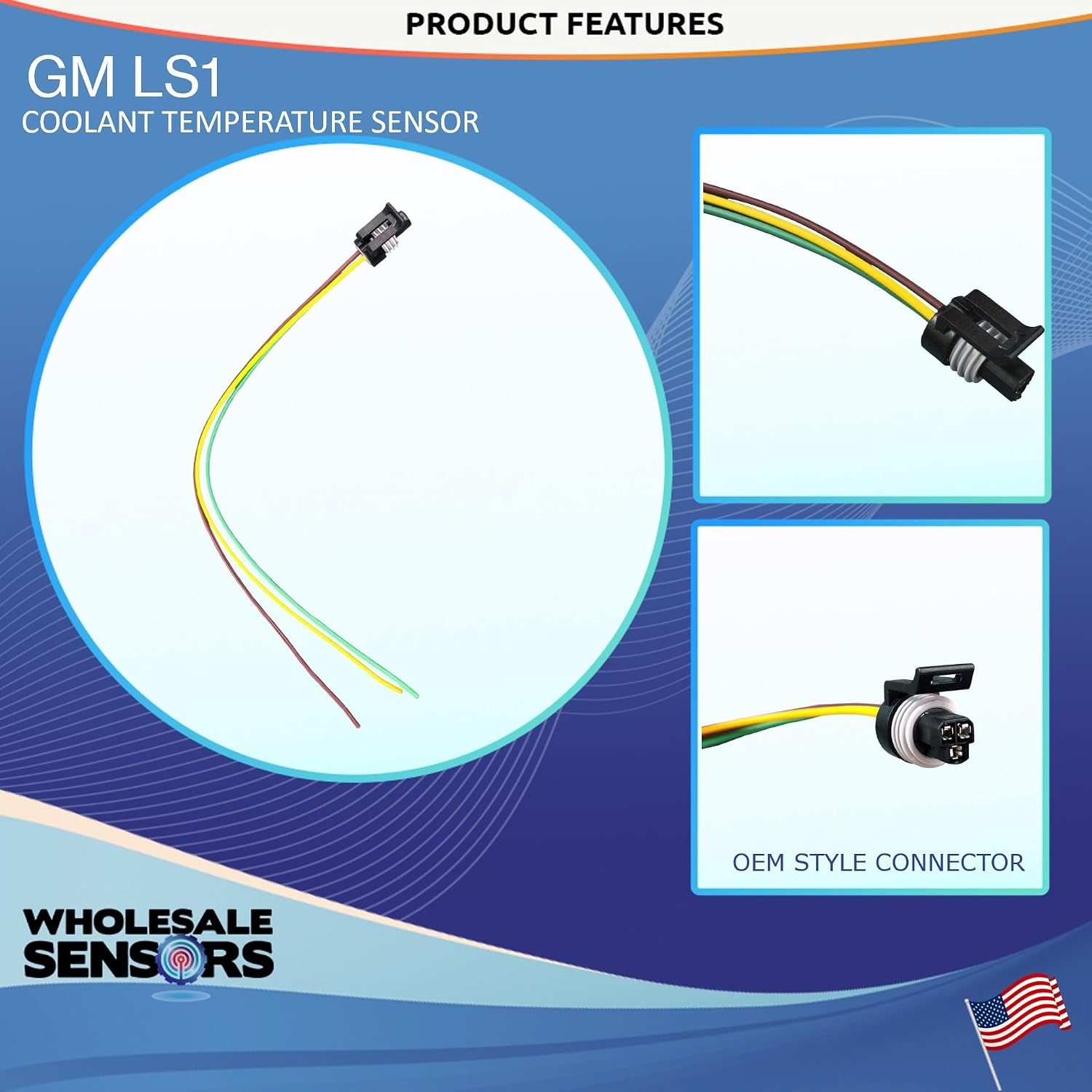
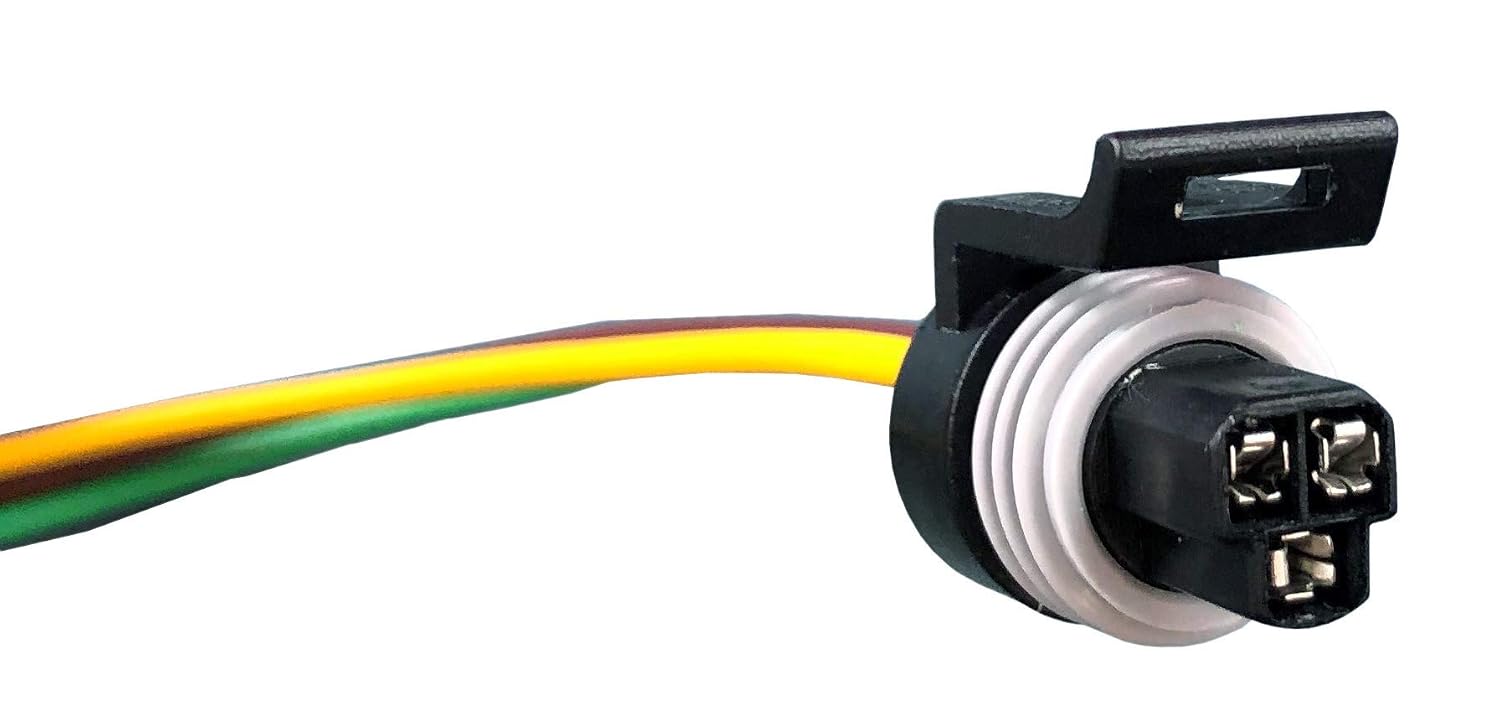
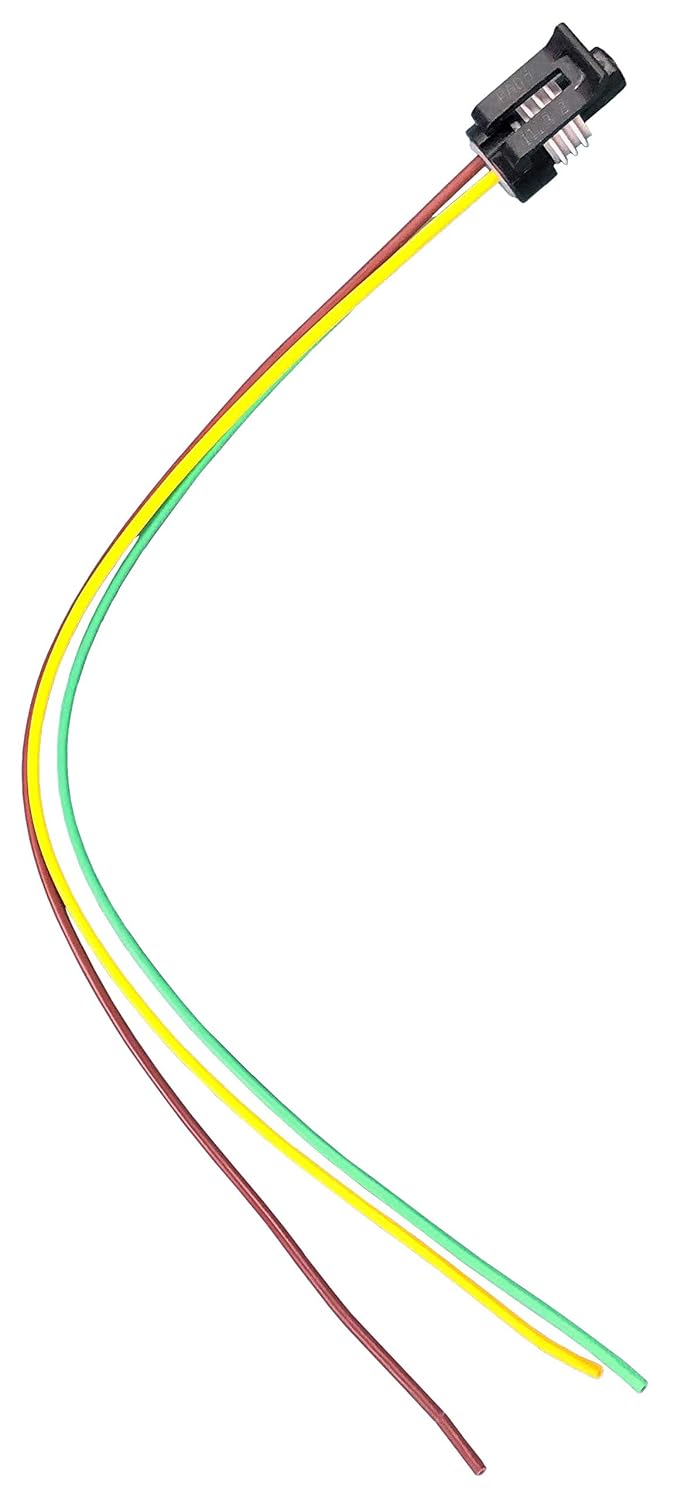
GM LS1 Coolant Replacement Temperature Sensor CTS Connector Harness 3-Wire | Made in The USA | 12 Month Warranty
Overview RESTORES COOLANT SENSOR CONNECTION: RGM LS1 3-wire Coolant Temperature Sensor connector harness repairs a damaged, britt…
QUANTITY
Technical Support
Questions? Our USA-based team can help with compatibility and installation.
Contact Support →DESCRIPTION Restore a reliable connection to your engine coolant temperature sensor with the GM LS1 Coolant Replacement Temperature Sensor CTS Connector Harness 3-Wire, pro…
Restore a reliable connection to your engine coolant temperature sensor with the GM LS1 Coolant Replacement Temperature Sensor CTS Connector Harness 3-Wire, proudly Made in the USA and backed by a 12-Month Warranty. Designed for compatible GM and LS1 applications using the 3-wire coolant temperature sensor configuration, this replacement pigtail provides a practical solution for repairing an original connector that has become cracked, brittle, corroded, burned, loose, or otherwise electrically unreliable.
The engine coolant temperature sensor, commonly called the ECT sensor or CTS, provides important temperature information to the vehicle’s electrical and engine management systems. A reliable electrical connection at the sensor is essential because even a properly functioning temperature sensor cannot provide accurate information if its connector terminals or wiring are damaged.
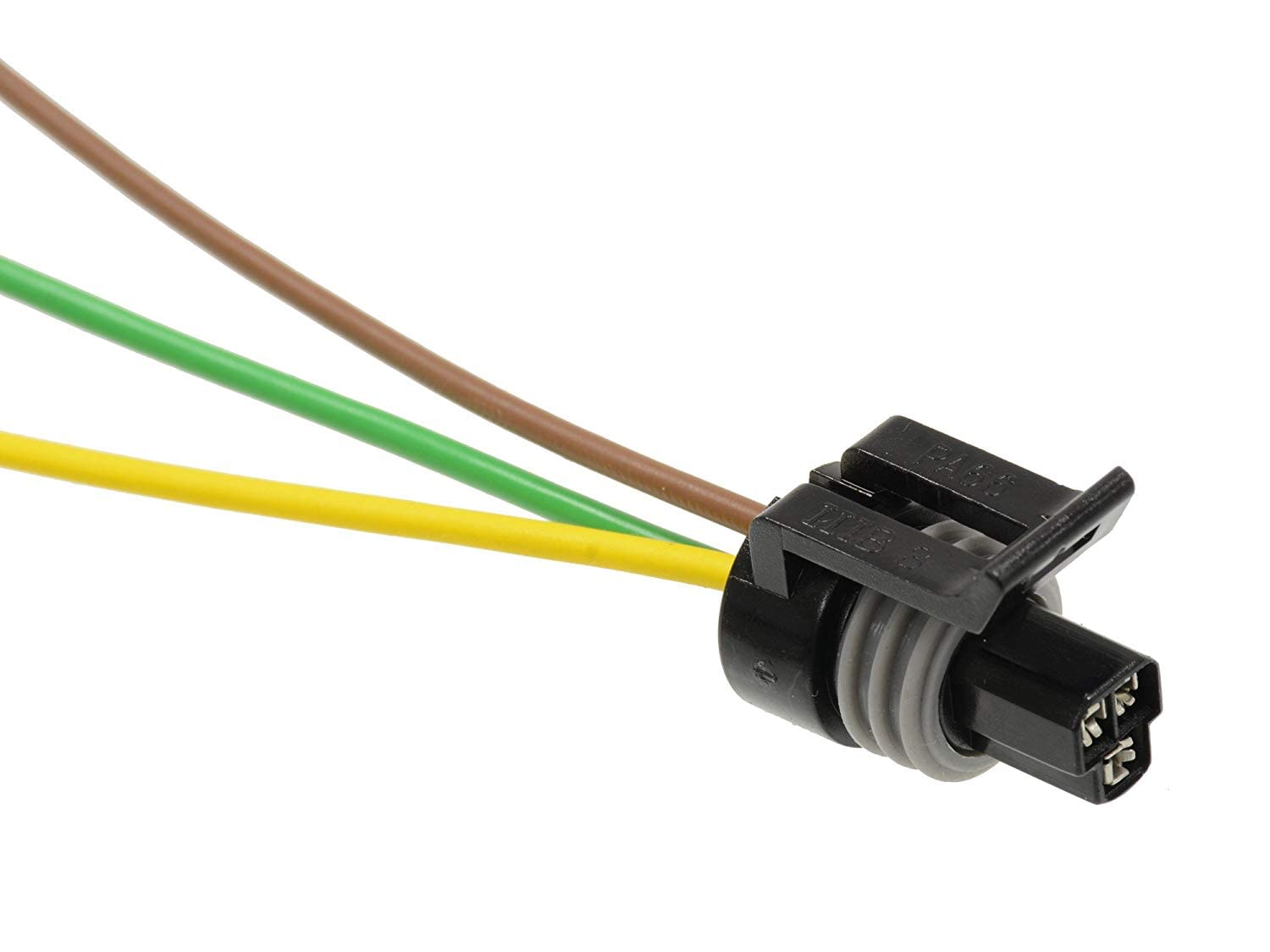
This RGM harness is engineered as a perfect OEM-style replacement designed to meet or exceed OEM specifications for compatible applications. It features a 3-wire connector configuration specifically suited to applications using the corresponding three-terminal coolant temperature sensor.
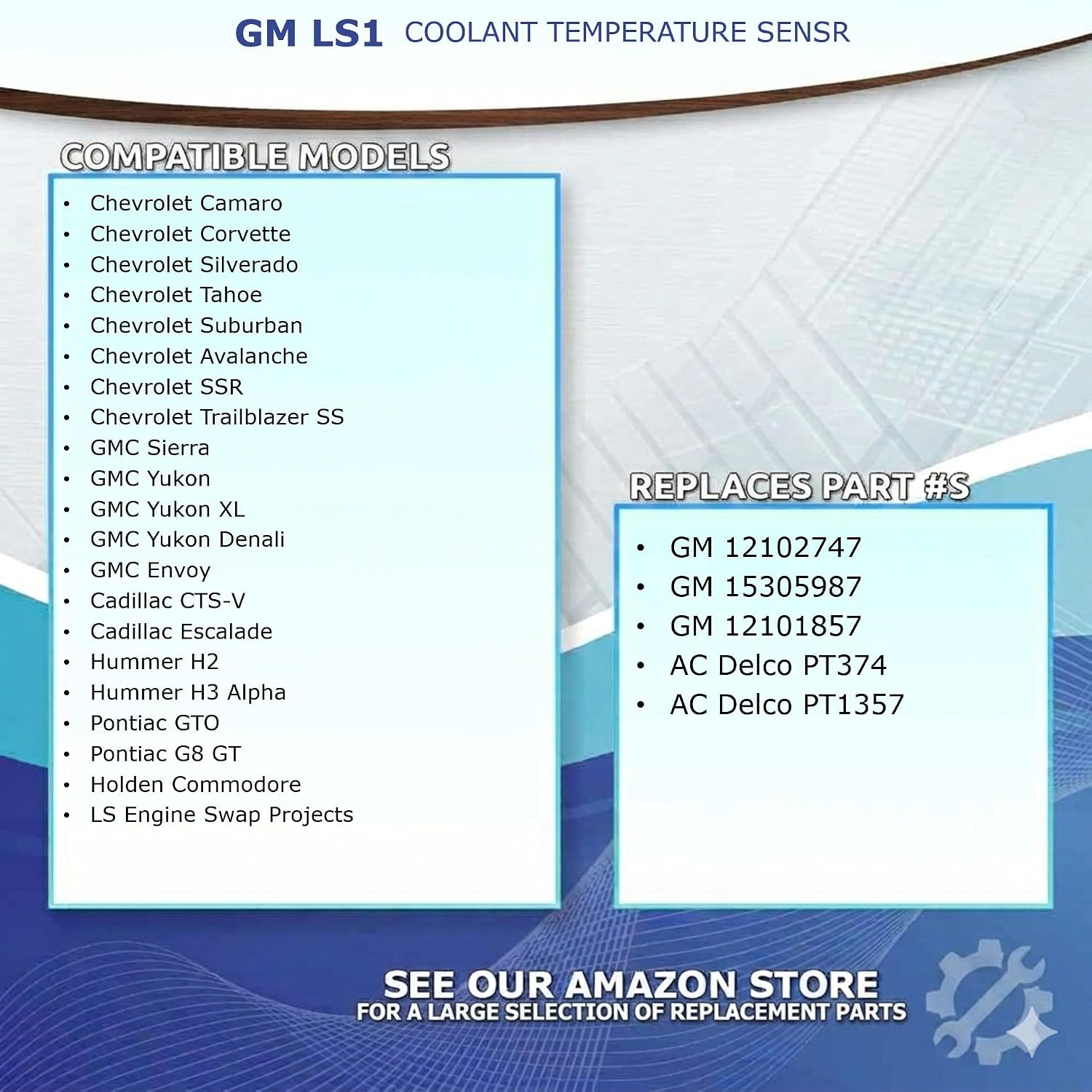
The connector can be cross-referenced to several GM and aftermarket connector numbers. Common references associated with this three-wire connector family include GM 12102748, 12126473, 15306432, 88987969, 88988107, 88988144, 88988301, and 88862238. GM parts information identifies 12102748 as a black three-way connector with leads and notes that it was later replaced by GM 19368669.
One of the best-known applications for this connector is the early LS1 engine platform. It is documented for the 1997-1998 Chevrolet Corvette with the 5.7L LS1 engine, as well as the 1998 Chevrolet Camaro and 1998 Pontiac Firebird with the 5.7L LS1. Replacement harness suppliers specifically identify this three-wire connector for 1997-1998 LS1 applications.
The model year distinction is particularly important when working with LS1 engines. Community technical documentation consistently notes that 1998 LS1 F-body applications used a three-wire coolant temperature sensor, while many 1999 and later LS1 applications changed to a two-wire configuration. For that reason, customers should not assume that every LS1 engine uses the same CTS connector.
The three-wire arrangement is useful because applicable configurations can combine the coolant temperature input used by the engine management system with a separate temperature gauge circuit. LS conversion documentation specifically notes that the additional third wire is used for the gauge in applicable installations. This feature has also made the three-wire configuration popular for certain LS engine swaps and conversions where builders want to operate both the engine control system and a separate temperature gauge.
Compatibility extends beyond the LS1 platform because the connector family was used across numerous GM applications. Replacement connector documentation lists applications covering select Buick, Cadillac, Chevrolet, GMC, Oldsmobile, Pontiac, Hummer, Saturn, and other General Motors vehicles. Because those applications cover many different engines and model years, fitment should always be determined by comparing the original connector, number of terminals, terminal arrangement, sensor design, and wiring requirements.
This product is the connector harness or pigtail, not the coolant temperature sensor itself. This distinction is important when diagnosing a temperature-related problem. Replacing the sensor alone will not correct a poor connection caused by damaged terminals, broken wires, corrosion, or a loose plug.
Under-hood electrical connectors operate in a demanding environment. Repeated engine heat cycles can make older plastic connectors brittle. Engine vibration can contribute to wiring fatigue, while oil, coolant, dirt, moisture, and previous repairs can affect terminal integrity. Wiring can also become damaged when connectors are pulled by the wires instead of being released properly during previous service.
A damaged CTS connector or harness may contribute to symptoms such as intermittent or inaccurate coolant temperature readings, an illuminated Check Engine Light, hard starting, poor cold-engine operation, reduced fuel economy, cooling fan problems, or an abnormal temperature gauge reading. The exact symptoms depend on which circuit is affected and the vehicle’s control strategy.
Engine coolant temperature circuit problems may also be associated with diagnostic trouble codes such as P0117, Engine Coolant Temperature Circuit Low Input, or P0118, Engine Coolant Temperature Circuit High Input. However, these codes do not automatically mean that the connector harness is defective. A faulty coolant temperature sensor, open or shorted wiring elsewhere in the circuit, poor ground, connector corrosion, low coolant, or another cooling-system problem can produce related symptoms.
For this reason, diagnose the circuit before replacing components. Inspect the original connector for broken locking tabs, pushed-back terminals, green or white corrosion, overheated plastic, exposed copper, hardened insulation, loose terminals, and previous splices. If moving the harness causes the temperature reading to change or the fault to appear and disappear, wiring or terminal condition should be investigated carefully.
Installation is straightforward for technicians and experienced DIY vehicle owners familiar with automotive electrical repair. Disconnect the battery according to the vehicle manufacturer’s service procedure. Locate the coolant temperature sensor and inspect the existing wiring before removing the original connector.
When replacing a damaged pigtail, do not rely solely on wire color when determining circuit position. Confirm each circuit using the factory wiring diagram for the exact vehicle and engine before making connections. Maintaining the correct terminal position is essential, particularly on a three-wire configuration where the individual circuits can perform different functions.
Make secure automotive-grade electrical connections using an appropriate repair method. Route the repaired harness away from exhaust components, sharp edges, belts, pulleys, and other sources of excessive heat or abrasion. After completing the repair, reconnect the battery and verify the coolant temperature data and gauge operation as applicable.
For LS engine swap projects, extra care should be taken to confirm the sensor and harness combination. Technical discussions identify GM 12551708 as a three-wire coolant temperature sensor used for certain 1998 LS1 applications, but later LS engines commonly use a different two-wire arrangement. The sensor, connector, engine control system, and gauge wiring must all be compatible for the conversion to function correctly.
The RGM replacement connector harness is built with durable insulated wiring and a secure three-terminal connector for dependable under-hood service. Each harness is rigorously tested for electrical continuity, connector integrity, fit, and reliable performance before shipment.
Proudly Made in the USA, this RGM replacement harness provides a dependable option for repairing an aging factory connector without replacing an entire engine wiring harness. It is well suited for professional automotive technicians, restoration shops, LS swap builders, performance enthusiasts, and DIY vehicle owners looking for a clean and reliable CTS wiring repair.
Every RGM LS1 Coolant Replacement Temperature Sensor CTS Connector Harness 3-Wire is backed by a strong 12-Month Warranty and responsive USA-based product support. Before ordering, compare your existing connector and verify that your vehicle or LS conversion requires the 3-wire CTS/ECT configuration. With confirmed compatibility, this Made in the USA replacement provides a dependable connection for accurate coolant temperature monitoring and long-term engine electrical reliability.
REVIEWS (0)
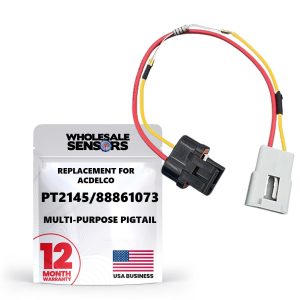
Related Products
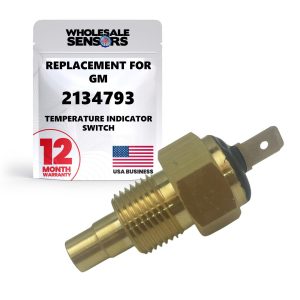
213-4793 Engine Coolant Replacement Temperature Indicator Switch 12 Month Warranty
$13.99

Reviews
There are no reviews yet.